In the rush to embrace green initiatives, many businesses overlook the most powerful tool in their sustainability toolkit: longevity.
While recycling and carbon offsetting are vital pieces of the puzzle, the most effective way to reduce environmental impact is simply to make things last longer. Every time a piece of clothing fails prematurely, it triggers a chain of carbon-heavy events, from raw material extraction to manufacturing and logistics. By focusing on durability, we’re helping procurement teams break the cycle of disposable culture.
Designing for the real world
Low carbon footprint
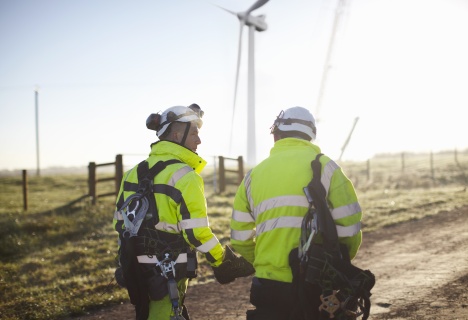
True circularity begins on the drawing board, not at the recycling centre. We believe that if a garment is designed in isolation, it’s destined to fail so we design in constant collaboration with the people who actually wear the clothes. By understanding the physical demands of a twelve-hour shift or the specific friction points on a pair of trousers, we can reinforce the areas that matter most.
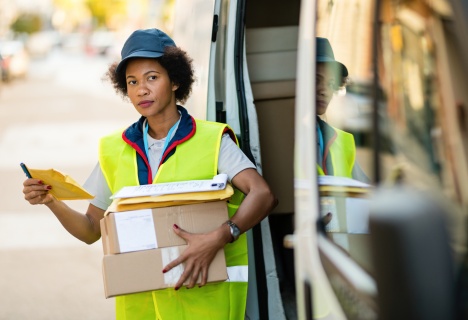
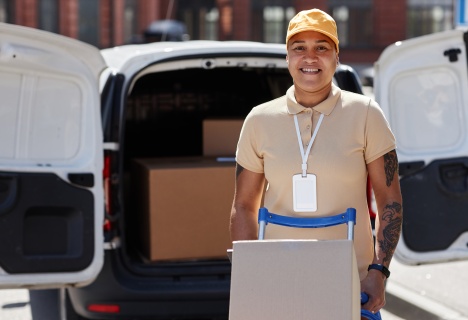
It’s this attention to detail – using high-quality components like heavy-duty zips, reinforced stitching and abrasion-resistant fabrics – that has led to our outstandingly low returns rate. When you invest in workwear, PPE and corporate uniforms that are built to withstand the rigours of daily work, you aren’t just buying clothes; you’re investing in a lower carbon footprint.
Quality as a procurement strategy
Buy better, buy less
The temptation of a lower upfront unit price can be strong for procurement teams. However, cheapness often comes with a hidden environmental and financial cost. A garment that costs 20% less but lasts half as long is twice as expensive in the long run and produces double the waste. By choosing high-performance workwear, PPE and corporate uniforms, businesses can significantly extend the replacement cycle. This buy better, buy less philosophy is a cornerstone of our approach to change and innovation. It’s about shifting the perspective from short-term savings to long-term value. When garments don’t need to be replaced every few months, the pressure on global supply chains eases and the volume of textiles entering the waste stream drops dramatically.
Beyond the first life
Prioritise durability
Even the toughest fabrics eventually reach the end of their functional life. Because we use high-quality, traceable materials, our garments are better suited for life after the wearer is finished with them. Whether it’s through our plastic-to-fabric initiatives – which have already diverted 2 million bottles from the ocean – or our zero to landfill policy, we ensure that the quality we put in at the start makes the garment easier to repurpose at the end.
Ultimately, innovation isn’t always about the next shiny new thing. Sometimes, the most innovative thing you can do is make something so well that it doesn’t need to be replaced. By prioritising durability, we’re proving that the best way to protect the planet is to provide garments that stand the test of time.