Measuring emissions is the first step to setting a path towards Net Zero. True change and innovation can only happen when you move away from guesswork and embrace hard, verifiable data. As we prepare for the release of our first group-wide sustainability report, completed in partnership with global carbon accounting platform Greenly, we’ve been given an invaluable baseline. By closely analysing these initial findings and projections, we’re now able to establish an incredibly precise roadmap to accelerate our carbon reduction strategy.
Understanding our carbon baseline
Control every stitch
The comprehensive greenhouse gas emissions assessment, which strictly follows the standard GHG Protocol methodology, reveals that our modelled group emissions baseline sits at 19,000 tonnes of CO2e. When we dive into the data, the distribution of these emissions highlights exactly where our focus needs to look.
The fact that product manufacturing represents our largest carbon share underscores why we’ve placed ethical sourcing at the very heart of what we do. From using resource-saving bamboo fibres that have saved 120 million litres of water to our extensive plastic-to-fabric initiatives, we’re continually targeting the root causes of production impact. Because we have direct ownership of our manufacturing epicentre in Sri Lanka, we possess a unique ability to act on these findings directly, eliminating supply chain blind spots and ensuring absolute quality control over every stitch.
Our 21-point plan for maximum impact
Reduce emissions
We aren’t treating this data as a passive record; it’s an operational manual for where we’re going. Greenly has helped us model a comprehensive decarbonisation strategy containing 21 planned reduction actions. Our goal is to reduce emissions by 50% by 2035 and then 100% by 2050, we are well on that journey already by achieving in excess of 38% reduction so far. Our plan is to try and beat our goals.
To make this a reality, we’re focusing heavily on the key levers that deliver the maximum possible impact. The single largest opportunity identified in our strategy planning is process optimisation to reduce non-quality at the source. This single action is projected to save over 853 tonnes of CO2e, representing a 4.5% drop in our total emissions profile. By continuously refining our production methods, cutting down material scraps and decreasing defects, we ensure that less raw material is consumed from the very start.
Decarbonising our logistics footprint
Alternative biofuels
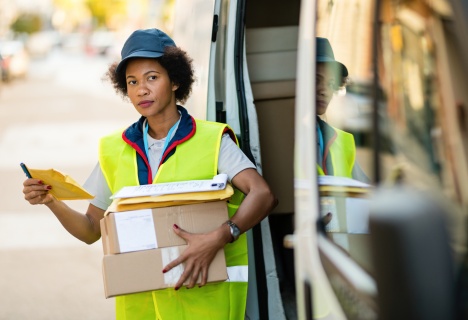
The second major area of focus lies in our global shipping choices. Replacing carbon-heavy air freight with sea freight is estimated to save another 447 tonnes of CO2e, delivering a 2.4% reduction in our global footprint. This aligns seamlessly with our existing commercial commitment to completely phase out emergency air travel and hit a 100% sea freight default setting by 2027.
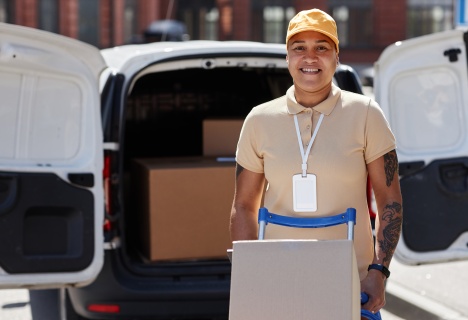
Smarter shipping requires a multi-layered approach. Alongside our ocean freight strategy, our roadmap includes optimising the loading and routing of our vehicles, adopting alternative biofuels and decarbonising the last-mile deliveries that head straight to our customers’ doors. By combining these freight logistics updates with internal efficiencies – such as our sector-first fully automated warehouse that cuts energy emissions per pick by 75% – we’re tackling carbon costs from every angle.
A fully circular future
Net-zero future
True leadership means taking full responsibility for a garment’s complete lifecycle. The Greenly insights highlight the clear carbon benefits of buying recycled plastics and implementing comprehensive, group-wide recycling programs. This gives us independent validation for the circular infrastructure we’ve built, including our strict zero-to-landfill policy and our practical 5-step uniform recycling initiative.
By taking retired clothing and shredding it down to create industrial insulation and soundproofing, we’re successfully keeping materials out of the waste stream. We’re incredibly proud of the groundwork we’re laying with this Greenly assessment because it gives us the hard, transparent data we need to lead the industry forward.
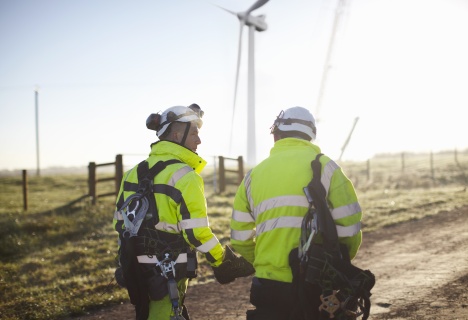
We’re proving that with a clear plan, bold innovation and a data-backed approach, providing sustainable workwear, PPE and corporate uniforms can pave a seamless path to a cleaner, net-zero future.