In the world of modern manufacturing, the word ‘waste’ is beginning to lose its meaning. What was once destined for a centuries-long stay in a landfill is now being reimagined as the raw material for the next generation of protective clothing. At Workwear Uniform Group, we aren’t just spectators in this shift; we are driving it. We’ve already repurposed 2 million plastic bottles into our garments, but the true story lies in the sophisticated science that allows us to transition this waste into high-performance workwear, PPE and corporate uniforms without compromising a single stitch of durability or wearer safety.
Engineering strength from everyday waste
Uncompromised performance
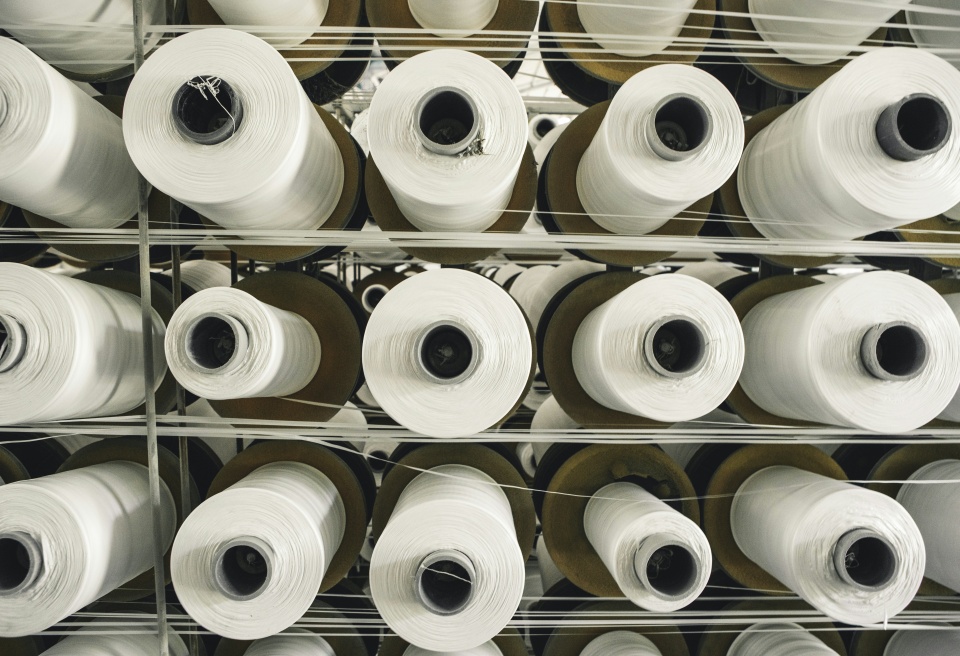
The journey from a discarded water bottle to a high-visibility jacket is a marvel of modern engineering. It begins with the collection of post-consumer PET (polyethylene terephthalate) plastics. These bottles are cleaned, shredded into thin flakes and melted down to create a polymer melt. This liquid is then extruded through spinnerets to create fine filaments, which are spun into Recycled Polyester (rPET) yarn.
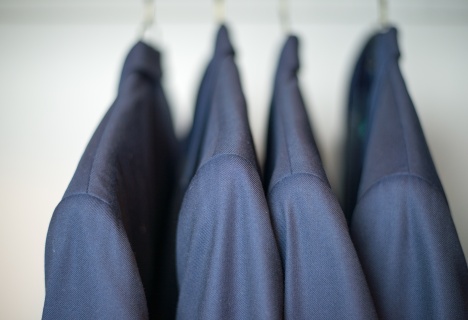
Crucially, this isn’t a lesser version of traditional polyester – the molecular structure of rPET is virtually identical to its virgin counterpart. This means that when we design workwear, PPE and corporate uniforms using these recycled fibres, we’re working with a material that offers the same tensile strength, abrasion resistance and colourfastness that our clients demand. Whether it’s a heavy-duty pair of trousers for a construction site or a sleek blazer for a bank, the performance remains uncompromised.
Prioritising safety and wearer comfort
Rigorous lab testing
For many of our clients, the primary concern with recycled textiles is safety – particularly when it comes to technical requirements like flame retardancy or high-visibility EN standards. But we treat sustainability and safety as two sides of the same coin. Every recycled fabric we use undergoes rigorous lab testing to ensure it meets or exceeds industry certifications.
Beyond safety, we focus heavily on the wearability of our garments. Innovation in fibre blending allows us to combine rPET with natural fibres or advanced elastanes. This ensures that the workwear, PPE and corporate uniforms we provide are breathable, moisture-wicking and comfortable for a full twelve-hour shift. By choosing recycled materials, we aren’t asking workers to sacrifice their comfort; we’re giving them the opportunity to wear the future of textile technology.
Closing the loop on garment lifecycles
Shredding old garments
Our plastic-to-fabric initiatives are just one part of a much larger, circular ambition. By using recycled polyester, we significantly reduce the energy required for production and lower our reliance on virgin fossil fuels. However, we also look at what happens when a garment finally reaches the end of its working life.
Our zero to landfill policy is there to ensure that the workwear, PPE and corporate uniforms we supply can be decommissioned responsibly. This might mean shredding old garments to create insulation and wadding for new products, or exploring chemical recycling processes that allow polyester to be reborn once again.
We’re proving that change and innovation aren’t just about new products – they’re tangible proof of a new way of thinking that protects both people and the planet.