In the world of corporate sustainability, setting a circular goal is simple; building the infrastructure to achieve it is where the real challenge lies.
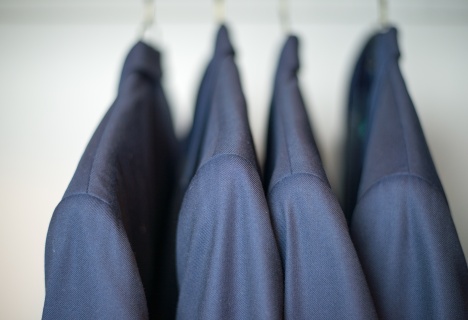
While many organisations track their environmental performance through direct energy use, a significant hurdle often rests in Scope 3 emissions – specifically, the end-of-life disposal of materials. When garments fail or become redundant, they traditionally face a centuries-long stay in a desolate landfill.By establishing a clear, systematic approach to textile disposal, we remove the operational burden from corporate procurement teams and turn waste back into a valuable resource. For businesses looking to move away from the traditional take-make-waste model, here’s how to deliver a practical, five-step infrastructure and achieve a landfill-free future for workwear, PPE and corporate uniforms.
Step 1: Strategic deployment of recycling assets
ESG journey
The journey toward circularity requires an accessible entry point for the workforce. To support our clients we deploy specialised recycling assets, including designated bags and boxes, across every facility. Each standard asset is precisely calibrated to manage high-volume turnover – holding approximately 30 to 40 adult polo shirts or 10 to 15 heavy-duty jackets. Placing these collection points strategically across operations gives employees an immediate, visible way to actively participate in the company’s ESG journey.
Step 2: Secure containment and weight management
Safe handling
The onsite collection process must be carefully managed to ensure the recycling stream remains efficient and completely safe. Once bags of dry garments, footwear and hard hats reach their optimum logistical capacity – a maximum weight of 15kg to allow for safe manual handling – they’re locked securely using specialised tamper-evident zip ties. This critical containment phase ensures that old branding, security elements and sensitive corporate garments remain completely secure before transit.
Step 3: Streamlined, low-carbon logistics
Reliable couriers
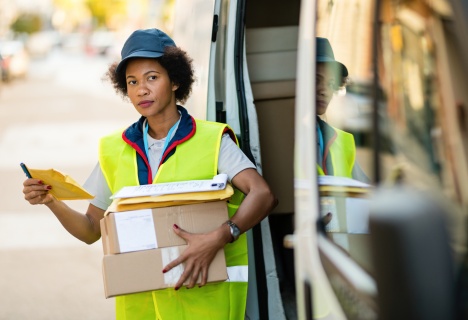
Wearers don’t need to navigate complex freight arrangements or disrupt daily operations to meet their company’s sustainability targets. Responsible partners like WWUGL will manage the entire transit process through a centralised notification system.
We use reliable national courier networks – including Royal Mail (the UK’s greenest parcel operator) and DPD – so that collections are seamlessly scheduled around the client’s operational calendar. This ensures that retired workwear, PPE and corporate uniforms are efficiently swept into the recycling stream with zero administrative friction.
Step 4: Meticulous sorting and secure shredding
Zero to landfill
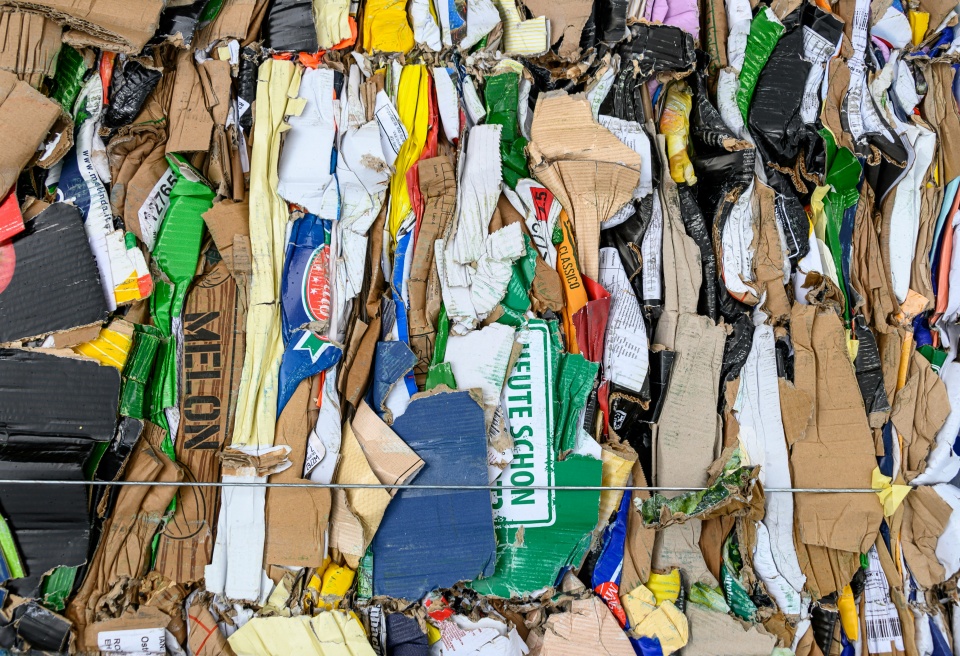
Collected material should always be meticulously sorted into distinct material streams: plastics, footwear and textiles. To guarantee total brand security, we always put returned garments through heavy industrial shredding that reduces the textiles right down to their raw fibres, completely obliterating logos and security features. The shredded material is then sorted into four distinct grades based on fabric type, and clients are issued an official certificate of destruction (CoD) for their compliance records. Crucially, any non-recyclable remnants are recovered for Solid Recovery Fuel (SRF), guaranteeing a strict zero to landfill process where absolutely nothing enters a dump.
Step 5: Repurposing fibres into industry solutions
Extending lifecycles
The final stage is where true circular innovation comes to life, converting Waste Processed Fibre (WPF) back into the industrial economy based on its chemical properties.
Garments with a high natural fibre content, like cotton, are widely repurposed into absorbent materials, upholstery fillings or mattress insulator pads. Meanwhile, synthetic textiles with a high polyester content are transformed into advanced industrial applications – particularly within the automotive industry. These recycled fibres are reborn as acoustic soundproofing and thermal insulation used in vehicle doors, transmission tunnels and roof linings for major global car brands. By extending the lifecycle of these fibres, we’re proving that the final chapter of a uniform’s life can be just as impactful as the first.